Want to work with us? We’re always open to new opportunities, collaborations, and partnerships. Feel free to contact us, and let’s build something great together.

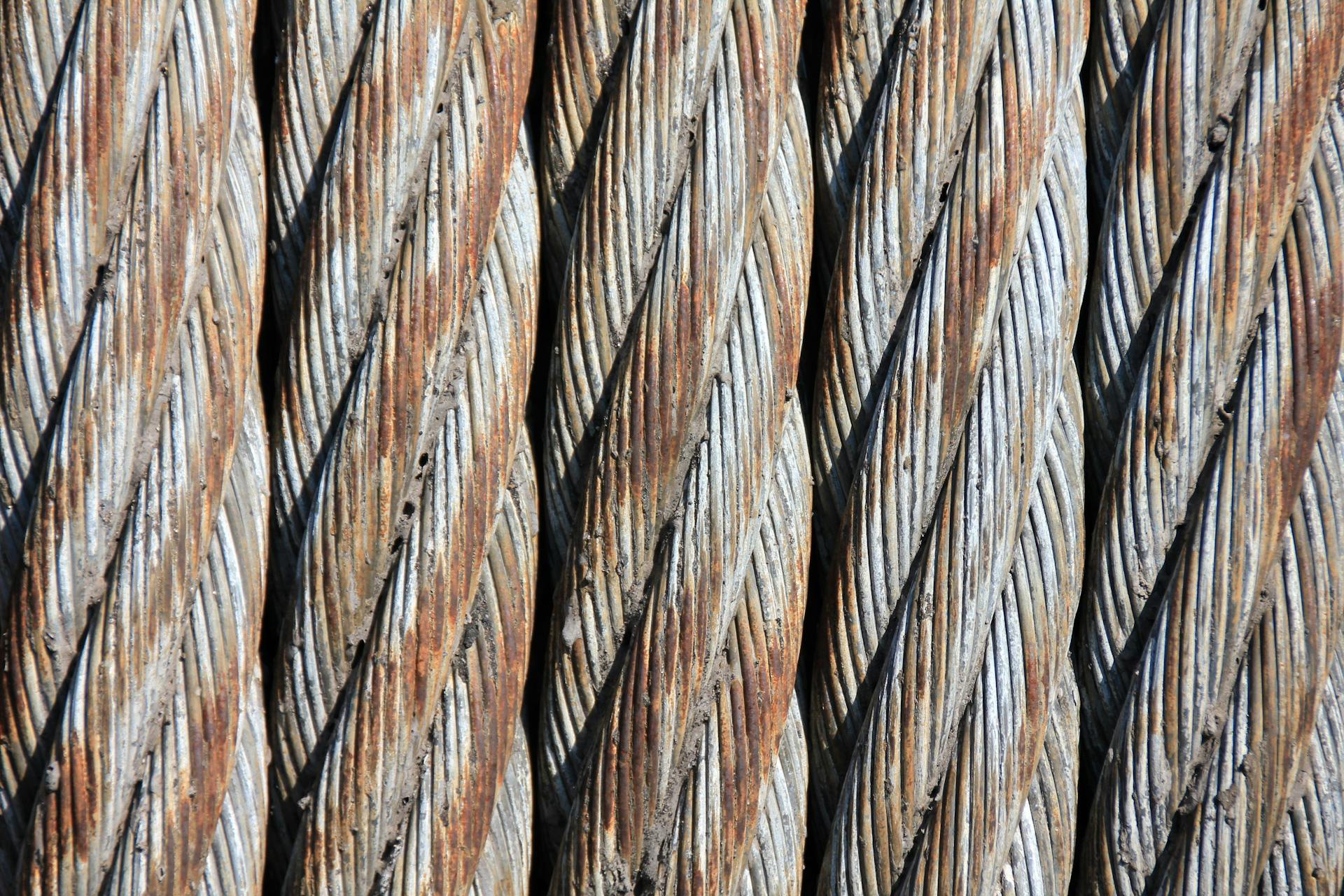
Rope protection service is an essential industrial maintenance solution focused on preserving the strength, flexibility, and reliability of wire ropes used in heavy-duty operations. Wire ropes play a key role in lifting, hoisting, pulling, and load-handling equipment across industries such as construction, marine, mining, steel plants, oil and gas, logistics, and manufacturing. These ropes operate under extreme stress and are often exposed to harsh environmental conditions, making protection a critical requirement.
Rope protection service involves a combination of preventive treatments such as cleaning, lubrication, anti-corrosion coating, wear prevention measures, and inspection-based maintenance. The primary goal is to reduce mechanical damage and environmental degradation that can shorten rope lifespan and increase the risk of failure. A properly protected rope not only performs better but also contributes to safer operations and reduced downtime.
Wire ropes are expensive components, and replacement costs are high, especially for large lifting systems. Rope protection service ensures that the rope remains in optimal working condition, helping industries maximize rope usage while maintaining safety standards.
Wire ropes are made of multiple steel strands twisted together, designed to carry heavy loads and withstand repeated bending cycles. During daily operation, ropes face continuous friction against drums, pulleys, and sheaves. This friction creates wear on the rope surface and gradually weakens the internal strands.
Environmental exposure is another major concern. Moisture, salt air, industrial chemicals, dust, and extreme temperatures can cause corrosion and reduce the rope’s strength. Even when corrosion appears minor on the surface, internal corrosion may already be progressing, weakening the rope from within.
Rope protection is necessary because wire rope failure can lead to severe accidents, equipment damage, production loss, and costly shutdowns. A protective maintenance program helps prevent sudden breakdowns and ensures the rope remains safe for lifting operations.
Wire ropes are affected by both mechanical and environmental threats. Mechanical wear is caused by repeated movement, bending fatigue, abrasion, and crushing on drums. Overloading is another threat, as excessive load causes strand deformation and reduces rope lifespan.
Dust and abrasive particles can penetrate between strands, creating a grinding effect. This internal abrasion accelerates wear and increases wire breakage. Old grease buildup also becomes harmful when it traps dirt and blocks lubrication penetration.
Environmental threats include rust and corrosion caused by water, humidity, salt exposure, and chemical fumes. In outdoor installations, rain and moisture create ideal conditions for oxidation. In marine environments, saltwater significantly speeds up corrosion, making rope protection even more critical.
Cleaning is one of the first steps in rope protection service. A rope cannot be properly protected if it is covered in dirt, hardened grease, or rust deposits. Cleaning removes contaminants that cause abrasive wear and prevents moisture from being trapped inside rope strands.
Professional cleaning methods ensure that dirt and debris are removed not only from the rope surface but also from the internal gaps between strands. This improves rope flexibility and makes inspection easier. Once cleaned, the rope becomes ready for effective lubrication and protective treatment.
Regular rope cleaning also reduces the risk of hidden damage. A clean rope allows early detection of broken wires, corrosion patches, and deformation signs, ensuring that maintenance can be performed before major failure occurs.
Lubrication plays a major role in protecting wire ropes. During operation, rope strands move against each other, generating friction and heat. Without lubrication, metal-to-metal contact increases, leading to faster wear and reduced flexibility.
A rope protection service includes lubrication designed to penetrate deep into the rope core. Internal lubrication reduces strand friction, prevents fatigue damage, and improves bending performance. External lubrication forms a protective coating on the rope surface, reducing abrasion and shielding against moisture.
Lubrication also protects the rope from rust by creating a barrier layer that prevents oxygen and water contact with the steel. A properly lubricated rope operates more smoothly, produces less noise, and experiences reduced wear on sheaves and drums.
Corrosion is one of the most dangerous threats to wire ropes because it weakens steel wires and reduces load-bearing strength. Rope protection service includes anti-corrosion treatments to prevent rust formation and stop corrosion from spreading.
Anti-corrosion protection often involves applying special protective compounds that resist moisture penetration and prevent oxidation. These treatments are especially important for ropes used outdoors, in chemical plants, or in marine environments where corrosion develops rapidly.
A professional rope protection service ensures that anti-corrosion treatment is evenly applied, covering both outer surfaces and internal strands as much as possible. This reduces the chance of hidden corrosion and extends rope service life.
Wire ropes continuously rub against mechanical components such as drums, pulleys, rollers, and guide systems. This friction causes abrasion, reducing rope diameter and damaging outer wires. Over time, abrasion can expose internal strands and increase the chance of wire breakage.
Rope protection service reduces abrasion by maintaining lubrication and ensuring correct rope condition. Proper lubrication creates a sliding film that reduces direct friction contact. Cleaning also prevents dust particles from acting as grinding material between the rope and pulleys.
In heavy lifting applications, rope protection may include monitoring alignment and ensuring that the rope runs smoothly without twisting or uneven loading. Reducing mechanical stress helps protect the rope structure and prevents premature fatigue.
Inspection is a major component of rope protection service. Even with cleaning and lubrication, ropes must be monitored for wear, corrosion, and damage signs. Regular inspection helps identify early warning indicators such as broken wires, flattening, kinks, birdcaging, strand separation, and diameter reduction.
Rope protection service includes checking both the visible rope surface and the hidden sections that may suffer from internal wear. Technicians inspect areas that contact drums and sheaves most frequently, as these areas are more prone to fatigue damage.
Condition monitoring helps industries plan rope replacement before failure occurs. Preventive replacement reduces safety risks and ensures uninterrupted operations.
Different industries require specialized rope protection based on environmental exposure. Mining operations require protection against dust, mud, and abrasive particles. Marine operations require protection against salt corrosion and constant moisture. Steel plants require protection against heat, metal dust, and chemical fumes.
In such conditions, rope protection service becomes more frequent and more detailed. Specialized lubricants and protective coatings may be used depending on temperature and moisture levels. Cleaning schedules are also adjusted to ensure contaminants do not remain trapped in rope strands.
Rope protection service is designed to match the working environment so the rope remains safe even under extreme industrial conditions.
Rope protection directly improves workplace safety. Wire ropes are commonly used in lifting and load-handling operations where failure can cause serious injury, damage, or loss of life. Protecting ropes through regular maintenance reduces the risk of sudden snapping, load drops, and equipment collapse.
A protected rope also improves equipment performance. Smooth rope movement reduces shock loads, minimizes vibration, and reduces strain on crane components. This creates safer and more stable lifting operations.
Rope protection also supports compliance with industrial safety regulations and inspection standards. Many industries require routine rope maintenance records, and professional protection service ensures proper documentation and consistent performance.
Rope protection service reduces operational costs by extending rope lifespan and lowering replacement frequency. Wire rope replacement is expensive and often requires machine downtime. By protecting ropes through cleaning, lubrication, and anti-corrosion treatment, industries can reduce shutdown time and maintain production continuity.
Proper rope protection also reduces damage to connected machinery. A poorly maintained rope increases wear on drums, sheaves, and rollers, leading to additional repair costs. A protected rope operates smoothly, reducing equipment stress and improving long-term reliability.
In addition, a rope protection program supports better planning and maintenance scheduling. Instead of dealing with sudden rope failure, industries can manage rope condition proactively.
Want to work with us? We’re always open to new opportunities, collaborations, and partnerships. Feel free to contact us, and let’s build something great together.

Reliable wire rope protection and maintenance solutions designed for industrial safety and long-term performance.