Want to work with us? We’re always open to new opportunities, collaborations, and partnerships. Feel free to contact us, and let’s build something great together.

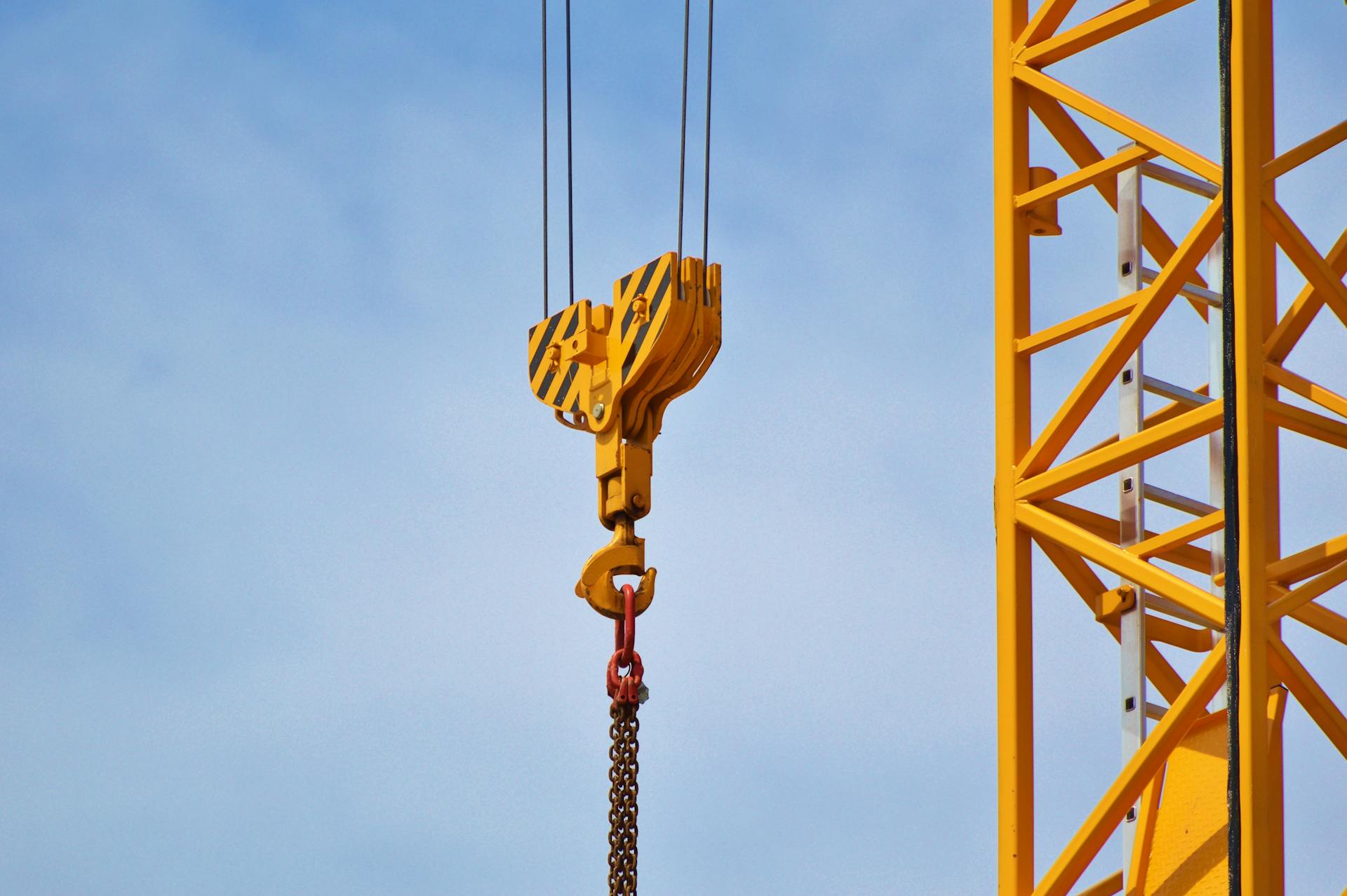
Crane rope care service is a specialized maintenance solution designed to protect, preserve, and extend the life of wire ropes used in crane operations. Crane ropes are among the most critical components in lifting systems, responsible for carrying heavy loads, supporting hoisting mechanisms, and ensuring smooth movement during lifting and lowering operations. Because cranes operate under extreme load conditions and repeated bending cycles, rope care is essential for safety and performance.
Wire ropes used in cranes are exposed to harsh industrial environments such as construction sites, ports, steel plants, mining areas, and manufacturing facilities. These environments introduce dust, moisture, chemicals, abrasive particles, and temperature changes that accelerate rope wear and corrosion. Without proper care, crane ropes can lose strength, become stiff, develop broken wires, and eventually fail.
Crane rope care service focuses on preventive maintenance practices such as inspection, cleaning, lubrication, corrosion protection, and wear monitoring. This service helps reduce breakdown risk, improve crane efficiency, and ensure compliance with safety standards.
Crane rope failure can lead to severe accidents, equipment damage, load drops, and serious injuries. Because cranes are used for lifting heavy materials, any rope defect can become a major hazard. Rope care is not simply a maintenance routine; it is a safety-critical activity.
A properly maintained crane rope ensures stable lifting performance, smooth load handling, and reduced vibration. Rope care also supports safe braking, proper winding on the drum, and controlled hoisting operations. When rope condition is neglected, lifting becomes unstable, and sudden rope snapping becomes a possibility.
Crane rope care service helps industries maintain safe working environments by reducing the risk of unexpected rope failure. It also ensures that cranes remain reliable for daily operations, preventing costly downtime.
Crane ropes face continuous mechanical stress due to heavy loads and repeated bending over sheaves and drums. Over time, this leads to fatigue damage, where internal wires weaken and eventually break. Fatigue is one of the most common reasons for crane rope replacement.
Abrasion is another major issue. As the rope moves across pulleys, rollers, and drum surfaces, friction gradually wears down the outer wires. Abrasion reduces rope diameter and weakens its load capacity.
Corrosion is also a serious threat. Moisture exposure, rain, humidity, and salt air can cause rust formation. Corrosion reduces wire strength and can spread internally, causing hidden damage that is difficult to detect without proper inspection.
Crushing and deformation can occur when rope layers overlap incorrectly on the drum. Improper spooling creates uneven pressure, leading to flattening, strand distortion, and rope damage.
Inspection is the foundation of crane rope care service. Regular rope inspection helps detect early warning signs before failure occurs. Inspection includes checking for broken wires, corrosion patches, rope diameter reduction, kinks, birdcaging, strand separation, and uneven wear.
Crane ropes often wear most in areas that contact the drum and sheaves frequently. These sections are closely examined for fatigue damage and surface wear. Inspection also includes checking rope end connections, sockets, clamps, and anchor points.
Professional rope care service ensures inspection is performed systematically and documented properly. Inspection records are important for safety audits and maintenance planning. Early detection of rope damage reduces the chance of sudden breakdown and supports safe rope replacement scheduling.
Cleaning is an essential step in crane rope care service. Crane ropes often collect dirt, mud, grease buildup, dust, and industrial residue. These contaminants penetrate between rope strands and increase internal friction.
Dust and abrasive particles act like grinding material, accelerating wire wear. Hardened grease traps contaminants and blocks fresh lubrication penetration. If rope cleaning is ignored, lubrication becomes ineffective, and rope wear increases rapidly.
Professional rope cleaning removes surface dirt and internal debris, restoring rope flexibility and preparing it for proper lubrication. Cleaning also improves rope inspection accuracy because defects become easier to identify on a clean rope surface.
Lubrication is one of the most important elements of crane rope care. Crane ropes consist of multiple strands that move slightly against each other during operation. Without lubrication, this movement creates friction, heat, and rapid wear.
Rope lubrication protects both the internal and external rope structure. Internal lubrication reduces friction between strands and prevents fatigue failure. External lubrication forms a protective coating that reduces abrasion and shields the rope from moisture and rust.
A crane rope care service ensures lubricant selection is suitable for the operating environment. For example, cranes working in outdoor or marine areas require water-resistant lubrication, while cranes in high-temperature industries require heat-resistant grease.
Proper lubrication also reduces wear on crane sheaves and drums, improving overall lifting system performance.
Corrosion is a major reason crane ropes fail prematurely. Rust weakens steel wires and reduces rope strength. Even small rust spots can spread quickly, especially in humid or coastal environments.
Crane rope care service includes anti-corrosion treatment to prevent oxidation. This may involve applying protective compounds that resist moisture and chemical exposure. Anti-corrosion coatings also help prevent salt buildup and reduce corrosion in marine crane operations.
A professional service ensures that corrosion protection is applied evenly and consistently. Regular anti-corrosion maintenance is especially important for cranes operating outdoors, in ports, or in chemical processing areas.
Proper rope spooling on the crane drum is essential for rope health. Incorrect spooling can lead to crushing, overlapping, and uneven load distribution. These issues cause rope deformation and reduce service life.
Crane rope care includes checking rope winding patterns, ensuring smooth layering, and verifying correct alignment. If rope spooling is uneven, rope sections may experience high stress and wear faster than others.
Proper rope handling during installation and maintenance is also important. Rope twisting, sudden bending, or improper pulling can create kinks and permanent deformation. Rope care service ensures correct handling procedures are followed to prevent installation-related damage.
Crane rope care is not limited to maintenance tasks; it also includes operational recommendations. Overloading is one of the fastest ways to damage crane ropes. When a rope is exposed to loads beyond its rated capacity, internal wires stretch and weaken, increasing failure risk.
Shock loading is another harmful factor. Sudden lifting or dropping causes extreme stress on the rope structure. Smooth crane operation reduces shock impact and improves rope lifespan.
Rope care service may include guidance on proper load handling, smooth acceleration, controlled braking, and correct rope tension maintenance. These practices reduce wear and improve rope performance.
A crane rope care service is most effective when performed as part of a preventive maintenance schedule. Rope condition depends on crane usage frequency, load type, environment, and operational intensity.
Cranes operating continuously under heavy loads require frequent inspection and lubrication. Outdoor cranes require regular cleaning and corrosion protection due to moisture exposure. Dusty environments require cleaning and lubrication at shorter intervals to prevent abrasive contamination.
A structured rope care schedule reduces emergency failures and improves crane availability. Maintenance records also help track rope condition trends and predict replacement requirements.
Crane rope care service provides long-term operational benefits. The most important advantage is improved safety, as a properly maintained rope reduces the risk of sudden failure. Rope care also extends rope lifespan, reducing replacement costs and downtime.
Well-maintained ropes improve crane efficiency by ensuring smooth lifting performance and reducing mechanical strain on sheaves, drums, and hoisting systems. This results in lower maintenance requirements for the crane itself.
Crane rope care also improves reliability. Industries can plan maintenance activities and avoid unexpected shutdowns. This is especially valuable in industries where crane downtime can delay entire production processes.
Want to work with us? We’re always open to new opportunities, collaborations, and partnerships. Feel free to contact us, and let’s build something great together.

Reliable wire rope protection and maintenance solutions designed for industrial safety and long-term performance.