Want to work with us? We’re always open to new opportunities, collaborations, and partnerships. Feel free to contact us, and let’s build something great together.

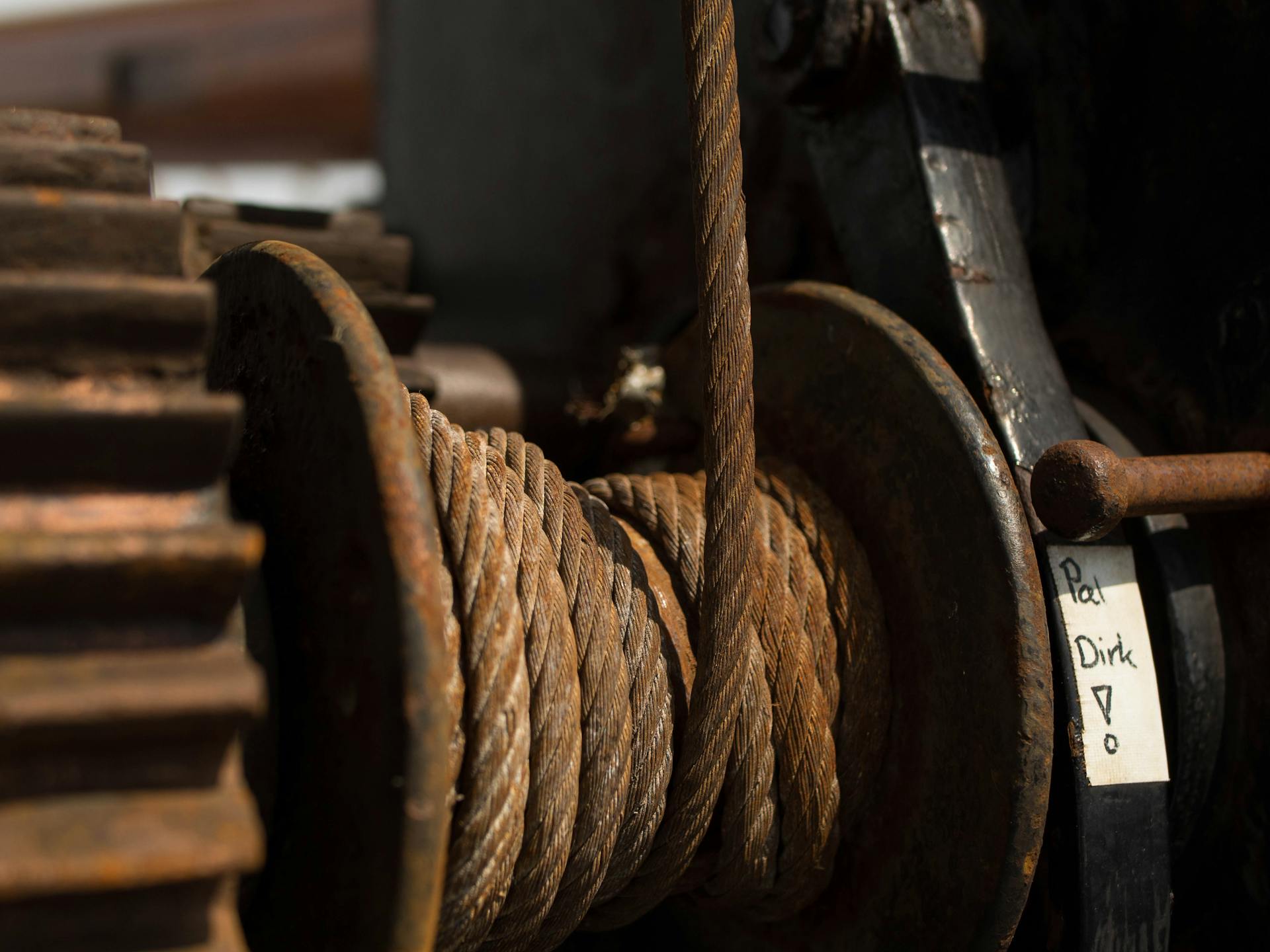
Anti-corrosion service is a vital industrial maintenance solution designed to protect metal surfaces from rust, oxidation, chemical attack, and environmental damage. Corrosion is one of the most common and costly problems in industries that rely on steel structures, machinery, pipelines, tanks, and heavy equipment. When metal is exposed to moisture, oxygen, chemicals, or salt, it gradually begins to break down, losing strength and structural integrity.
Anti-corrosion service focuses on preventing this damage by applying protective treatments and coatings that act as a barrier between the metal surface and corrosive elements. This service is widely used in sectors such as construction, oil and gas, marine operations, power plants, manufacturing units, steel industries, chemical plants, and infrastructure projects.
Without proper anti-corrosion protection, metal equipment can weaken over time, leading to breakdowns, leaks, failures, and safety hazards. A professional anti-corrosion service ensures long-term durability, reduces maintenance costs, and improves the operational life of critical assets.
Corrosion does not happen overnight. It is a gradual process that slowly eats away metal surfaces. Many industries ignore corrosion until it becomes visible, but by the time rust is seen, internal weakening may already be occurring.
Anti-corrosion protection is necessary because corrosion reduces metal thickness, damages weld joints, weakens bolts and fasteners, and can create cracks in critical structures. In industrial environments, even minor corrosion can cause serious consequences. For example, corrosion on pipelines can lead to leaks, corrosion on cranes can reduce load-bearing capacity, and corrosion on storage tanks can cause contamination and safety hazards.
Corrosion also increases operational costs. Equipment affected by rust often requires frequent repairs, repainting, replacement parts, and shutdown time. Anti-corrosion service reduces these losses by preventing rust before it begins.
Corrosion occurs due to a combination of environmental and chemical factors. Moisture and humidity are the most common causes, especially in outdoor installations or poorly ventilated industrial areas. When water reacts with oxygen and metal, oxidation begins, leading to rust formation.
Salt exposure is another major cause, especially in coastal regions and marine operations. Salt accelerates corrosion by increasing the conductivity of water, allowing faster chemical reactions. Equipment used near seawater requires strong anti-corrosion measures.
Chemical exposure is also a key contributor. Industries dealing with acids, alkalis, fertilizers, and industrial fumes often face rapid corrosion. Chemical vapors can settle on surfaces and trigger corrosion even without direct liquid contact.
Temperature fluctuations also play a role. When metal expands and contracts due to heat cycles, protective coatings may crack, allowing moisture penetration. Dust and pollution can further worsen corrosion by trapping moisture on surfaces.
Anti-corrosion service includes a variety of protective solutions depending on the type of equipment, working environment, and required durability. One common approach is protective coating application, where a barrier layer is applied on the metal surface to prevent contact with moisture and oxygen.
Another widely used method is surface treatment, which includes cleaning, sandblasting, or chemical treatment to remove rust and prepare the metal for coating. Proper surface preparation is essential because coating over rust or dirt reduces effectiveness and causes early coating failure.
In many industries, specialized corrosion-resistant paints are used for structural steel, pipelines, and industrial machinery. For heavy-duty environments, epoxy-based coatings are often preferred because they provide strong resistance against chemicals and moisture.
Galvanizing and zinc-based protection methods are also common for long-term corrosion resistance. These methods work by creating a sacrificial protective layer that prevents steel from corroding.
Surface preparation is one of the most important stages of anti-corrosion service. Even the best protective coating will fail if applied to an unclean or rusty surface. Industrial surfaces often contain oil, grease, dust, rust scale, and old paint layers that must be removed before coating application.
Common preparation methods include mechanical cleaning using wire brushes, grinding, or scraping. For large-scale industrial work, abrasive blasting is widely used. This method removes rust completely and creates a rough surface profile, allowing coatings to bond strongly.
Chemical cleaning may also be used to remove grease and oil residue. Once cleaning is complete, the surface must be dried properly to avoid trapping moisture beneath the coating. Surface inspection is performed to ensure proper preparation before moving to the coating stage.
After preparation, protective coatings are applied using professional techniques to ensure even coverage and proper thickness. Coating may be applied using brush, roller, or spray methods, depending on the project size and surface design.
Spray coating is commonly used for large structures such as tanks, pipelines, and steel frames because it provides uniform application. Brush and roller methods are often used for small equipment or detailed sections.
Coating thickness is critical for corrosion resistance. If the coating is too thin, it may crack or wear out quickly. If it is too thick, it may peel due to poor bonding. Professional anti-corrosion service ensures the correct coating thickness and curing time.
In many cases, multi-layer coating systems are used. This may include a primer coat for bonding, an intermediate coat for thickness, and a topcoat for UV and chemical resistance. This layered system provides long-term protection, especially in harsh environments.
Steel structures such as plant buildings, conveyor frames, crane gantries, bridges, and platforms require regular anti-corrosion service because they are continuously exposed to air, moisture, and industrial fumes.
Corrosion on structural steel reduces strength and can compromise load-bearing capacity. Anti-corrosion coatings protect these structures and prevent costly structural repairs. This is especially important for structures operating in coastal areas, chemical plants, and outdoor industrial facilities.
Routine inspection and re-coating ensure long-term stability and improve the safety of industrial infrastructure.
Pipelines and storage tanks are highly vulnerable to corrosion because they carry fluids and gases that may contain water, chemicals, or corrosive agents. Corrosion in pipelines can cause leaks, pressure loss, contamination, and environmental hazards.
Anti-corrosion service for pipelines often includes external coating, internal lining, and protective wrapping. For tanks, coatings protect both outer surfaces from weather exposure and inner surfaces from stored chemical reactions.
Regular anti-corrosion maintenance is essential for extending the lifespan of pipelines and tanks, reducing the risk of failure, and ensuring safe fluid handling operations.
Marine environments are among the most aggressive corrosion zones due to constant saltwater exposure, high humidity, and strong winds. Equipment used in ports, offshore platforms, shipyards, and coastal industries requires strong anti-corrosion systems.
In these conditions, corrosion spreads quickly if not controlled. Anti-corrosion service includes salt-resistant coatings, protective sealing, and regular inspection schedules. Special coating systems are often used to resist continuous water contact and prevent coating breakdown.
Without anti-corrosion protection, marine equipment can degrade rapidly, resulting in high replacement costs and safety risks.
Anti-corrosion service offers multiple long-term benefits for industries. The most important benefit is extended equipment lifespan. By preventing rust and surface degradation, machinery and structures remain functional for many more years.
Another major benefit is reduced maintenance costs. Corrosion damage often leads to expensive repairs, part replacements, and shutdown time. Anti-corrosion treatment minimizes these losses and improves operational continuity.
Anti-corrosion service also improves safety. Corroded equipment is weaker and more likely to fail unexpectedly, especially under heavy load or pressure. Protective coatings reduce this risk and ensure reliable performance.
In addition, anti-corrosion service improves the appearance and cleanliness of industrial equipment, which is often important for professional plant standards and inspections.
Want to work with us? We’re always open to new opportunities, collaborations, and partnerships. Feel free to contact us, and let’s build something great together.

Reliable wire rope protection and maintenance solutions designed for industrial safety and long-term performance.